

Bourbon Vanilla: Understanding Its Rich Flavor, Quality, Uses, and Culinary Value
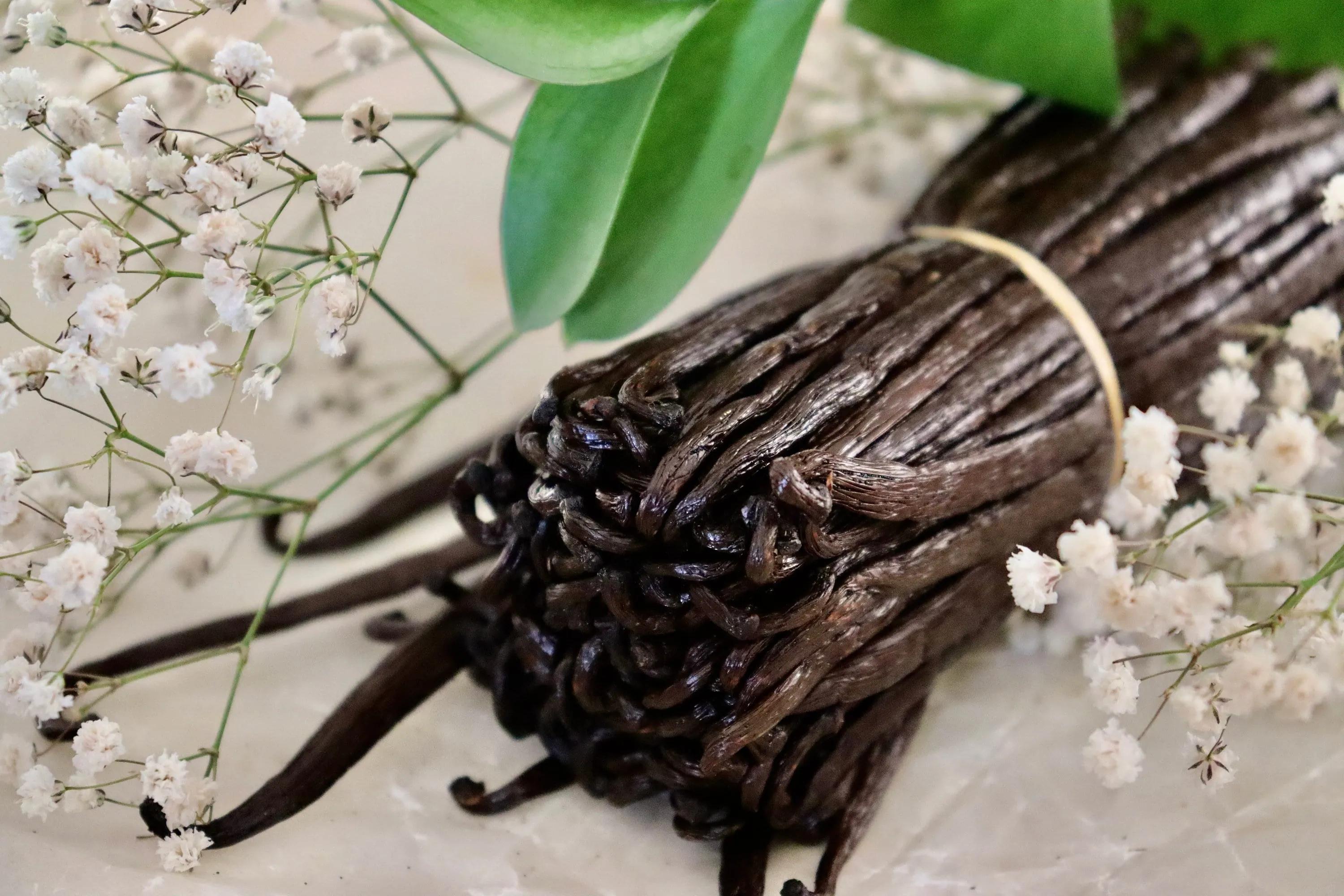
Vanilla is a widely recognized natural flavoring ingredient, valued for its warm aroma, smooth sweetness, and ability to enhance both simple and sophisticated recipes. Among international varieties, bourbon vanilla has earned a reputation for its rich, creamy, slightly floral character. Madagascar is especially important to its production and is widely recognized for high quality Vanilla Planifolia beans. Robust Madagascar sources premium vanilla from local smallholder farmers and supplies Madagascar products to international markets, with an emphasis on quality and sustainable agriculture.
The name Bourbon comes from the historical Bourbon Islands in the Indian Ocean, a region associated with Madagascar, Réunion, and Comoros. Today, the term generally identifies Vanilla Planifolia produced in Madagascar and other Indian Ocean regions. Its distinctive profile makes it valuable to bakeries, confectionery manufacturers, chefs, beverage producers, and food companies.
What Makes Bourbon Vanilla Special?
Bourbon vanilla is appreciated for its balanced combination of sweetness, creaminess, floral notes, and gentle warmth. Its aroma can be deep and inviting, while its flavor develops gradually in desserts and beverages. The beans are usually dark, supple, and aromatic after curing, with gourmet grades showing a moist, flexible, sticky texture.
Vanillin is a key compound responsible for the characteristic vanilla aroma and taste. Premium Madagascar beans can contain more than 2% vanillin, depending on grade and specifications. Robust Madagascar’s Black Gourmet product, for example, is described with vanillin content of 2% or more and moisture between 32% and 35%. These characteristics suit applications requiring strong natural flavor and aroma.
Key factors influence quality:
Growing conditions influence bean development, aroma, and flavor.
Hand pollination requires careful attention because vanilla flowers have a limited pollination window.
Harvest timing affects the quality of the cured beans.
Curing and preparation develop the characteristic color, fragrance, and flavor.
Sorting and packaging help protect beans from contamination and preserve their sensory properties.
How Madagascar Vanilla Is Produced
The journey of bourbon vanilla begins in Madagascar’s tropical growing regions, particularly in the SAVA area. Vanilla vines require suitable soil, moisture, shade, and attentive farm management.
Cultivated production generally requires careful hand pollination. After the beans mature, they are harvested and undergo curing. This labor-intensive process is essential because green vanilla does not yet possess the familiar aroma associated with finished beans.
Curing involves controlled stages of heating, sweating, drying, and conditioning. During this period, the beans darken, moisture changes, and aromatic compounds develop. This careful post-harvest work explains why premium vanilla is a valuable specialty crop. Robust Madagascar works with local smallholder farmers and emphasizes sustainable sourcing, fair pricing, technical assistance, and market access.
Key Benefits of Using Bourbon Vanilla
The main benefit of bourbon vanilla is its ability to deliver recognizable natural vanilla character across many recipes. Its complex profile can provide depth without overwhelming other ingredients. It is particularly useful when manufacturers or chefs want a premium sensory experience rather than a flat or one-dimensional flavor.
Its culinary benefits include:
Rich aroma that can strengthen the sensory appeal of finished foods.
Creamy flavor that complements dairy, chocolate, fruits, nuts, and spices.
Versatility for both sweet and selected savory recipes.
Whole-bean functionality, allowing seeds and pod components to be used in different preparations.
Strong suitability for extracts, flavor systems, desserts, and gourmet products.
Vanilla is valued for its naturally occurring aromatic compounds, but it should primarily be considered a flavoring ingredient rather than a treatment for health conditions.
Popular Uses in Food and Beverage Applications
Bourbon vanilla is widely used because its flavor works across multiple food categories. In baking, it can be added to cakes, cookies, pastries, breads, and custards. Its creamy aroma pairs naturally with sugar, butter, cream, eggs, chocolate, and fruit.
In dairy products, vanilla is commonly used in ice cream, yogurt, milk-based desserts, and specialty formulations. Beverage manufacturers use vanilla in coffee drinks, shakes, syrups, and premium beverages. Chocolatiers use it to add aromatic depth to chocolate.
Other common applications include:
Pastry creams and custards
Ice creams and frozen desserts
Cakes, cookies, and premium baked goods
Chocolate and confectionery
Flavored syrups and beverages
Sauces and gourmet culinary preparations
Vanilla extracts and flavoring ingredients
The beans can be split and scraped to release seeds, while pods can be infused into sugar, cream, syrups, or other ingredients. This allows chefs to capture different dimensions of the bean’s aroma and flavor.
Choosing the Right Vanilla Grade
Not every vanilla bean suits the same application. Gourmet beans are generally selected for appearance, moisture, texture, aroma, and strong sensory performance. Extraction grades can be drier and may be better suited to manufacturing processes where visual appearance is less important than flavor extraction.
Robust Madagascar offers several vanilla formats, including Black Gourmet, Black TK, extraction grades, vanilla cuts, seeds, powder, spent vanilla, and vanilla extract. This range enables buyers to select a product according to formulation requirements, processing methods, and desired sensory characteristics.
When evaluating a supplier, consider these factors:
Vanillin content and product specifications
Moisture level and bean texture
Aroma, color, and physical appearance
Intended culinary or industrial application
Packaging and storage conditions
Traceability and sourcing practices
Consistency of supply and quality documentation
Proper Storage for Better Quality
Correct storage is important because vanilla beans contain natural moisture and aromatic compounds that can deteriorate under unsuitable conditions. Premium beans should be kept in an airtight container in a cool, dark, and dry location. Direct sunlight, excessive heat, and unnecessary exposure to air should be avoided.
Robust Madagascar’s technical information recommends airtight storage and advises against refrigeration for its gourmet beans because cold conditions can contribute to drying. Proper packaging helps protect aroma, reduce contamination risks, and maintain quality.
Why Choose Robust Madagascar?
Robust Madagascar combines product sourcing with a strong connection to Madagascar’s agricultural communities. The company has been in business since 2000 and specializes in sourcing premium food products from local smallholder farmers practicing sustainable agriculture. Its portfolio includes vanilla, spices, essential oils, pulses, and edible nuts.
For buyers evaluating bourbon vanilla, this sourcing model provides useful advantages. Robust Madagascar focuses on quality assurance, sustainable sourcing, price discovery, and local partnership. Its vanilla range serves different culinary and processing needs, while product specifications support purchasing decisions.
The company’s approach connects sourcing with community support. By working with farmers through fair prices, technical assistance, and market access, Robust Madagascar aims to strengthen livelihoods while supporting Madagascar’s biodiversity and agricultural heritage.
Conclusion
Bourbon vanilla remains a premium ingredient because of its recognizable creamy sweetness, floral warmth, rich aroma, and versatility. From bakery products and ice cream to chocolate, beverages, extracts, and gourmet recipes, it can add depth and character to a wide variety of applications.
Quality depends on much more than the bean itself. Cultivation, hand pollination, harvesting, curing, sorting, packaging, storage, and responsible sourcing all influence the final product. For businesses and culinary professionals seeking dependable Madagascar vanilla, Robust Madagascar offers multiple grades and formats supported by a sourcing approach centered on quality and sustainable agriculture.
Choosing the right grade, checking specifications, and maintaining proper storage can preserve premium vanilla characteristics. With its distinctive sensory profile and broad culinary potential, bourbon vanilla continues to hold an important place in the global natural flavor market.